NASA Space Apps Challenge is a weekend-long hackathon held in cooperation primarily with NASA, ESA and other space agencies around the world on 1–2 October 2022. This year, for the first time, this unconventional hackathon was also held physically in the Czech Republic, in the wonderful space of the Prague planetarium Planetum. A hackathon is an event where programmers, entrepreneurs, scientists, designers and other technologists from all over the world meet and, over two days, tackle challenges set by the organisers, from which they can choose. At any hackathon you combine your technical, presentation, design, artistic and business skills. The whole event worked like this: teams are formed, which then deal with the chosen topics and try to solve them. Everything ends with a final presentation, where you can present a finished prototype or just the concept of an idea. This year’s challenges, for which the respective team received data directly from the space agencies, can be found here. The hackathon produced projects dealing with education about space and recently launched satellites such as the James Webb Space Telescope or the Parker Solar Probe. It was possible to work with satellite data and with a database of scientific articles from decades of NASA’s operation.
Our Experience with the Hackathon
Our Archetix team of course did not miss the event, and together we formed the team Archetix Data Squad. In total about seven teams were formed, which tackled challenges around NASA data – data from its database or from satellites. The whole event can be seen as a “gamers’ weekend”, where we had the chance to use our knowledge, experience and skills. So in a short time frame we had the opportunity to produce something functional. The timer started on Saturday 1 October at 10:00 and work on the individual projects ended on Sunday 2 October at 12:00. The projects and solutions were then presented, and the best teams continued to the worldwide round.
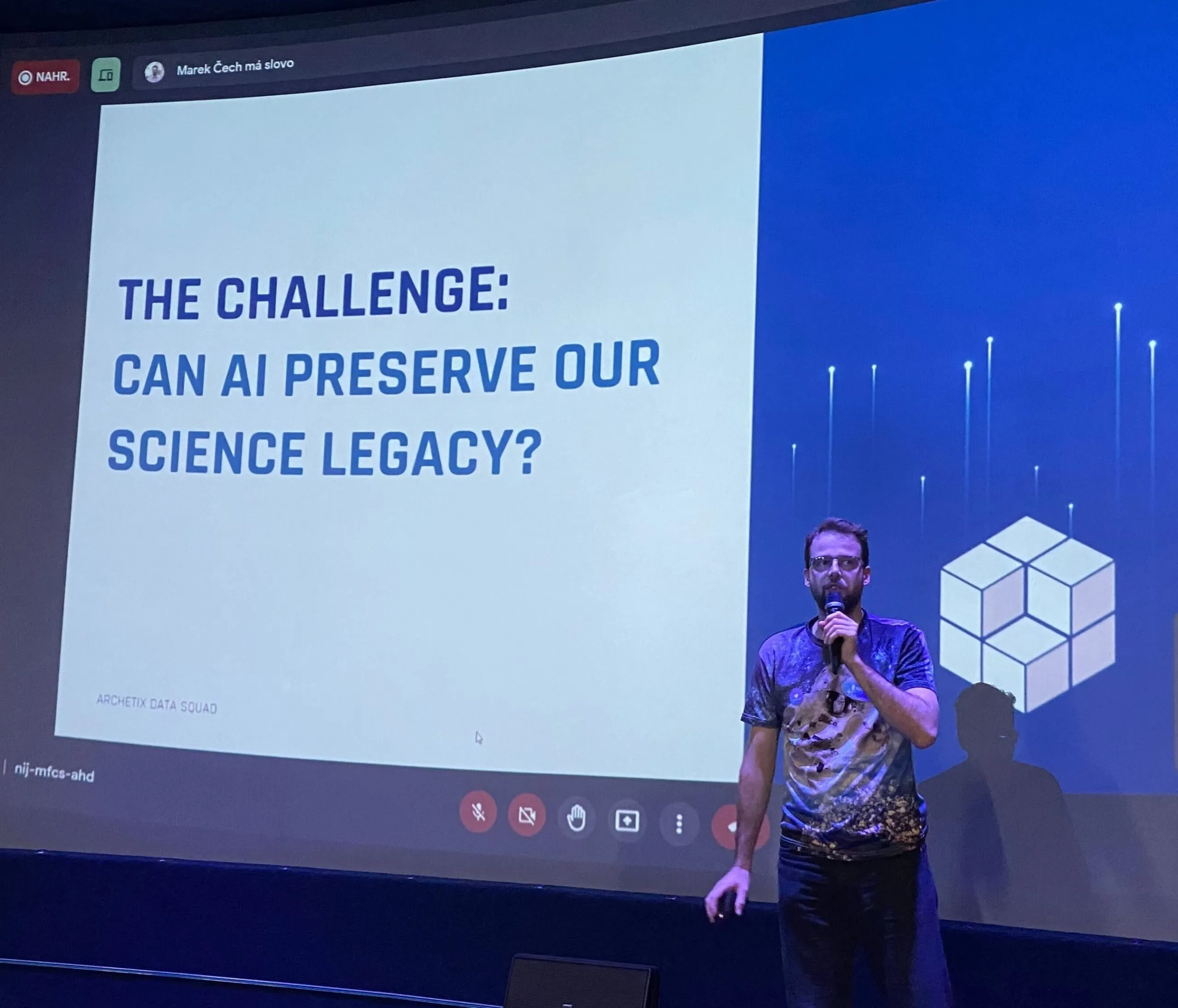
Archetix Data Squad chose the challenge Can AI preserve our science legacy? This meant that we used the digitised NASA Technical Report Server archive, from which we downloaded a sample of data into Keboola including the full text of articles extracted from PDFs. This operation alone was quite a challenge and trained our skills in Keboola. Our final pitch presentation was built around the problem of searching for specific topics and documents in databases. We therefore created the Archetix Data Squad App = an AI-enriched search interface for fast and accessible searching of a limited part of the database. In this case Keboola and Google Cloud in particular were the perfect environment for bringing our project to life.
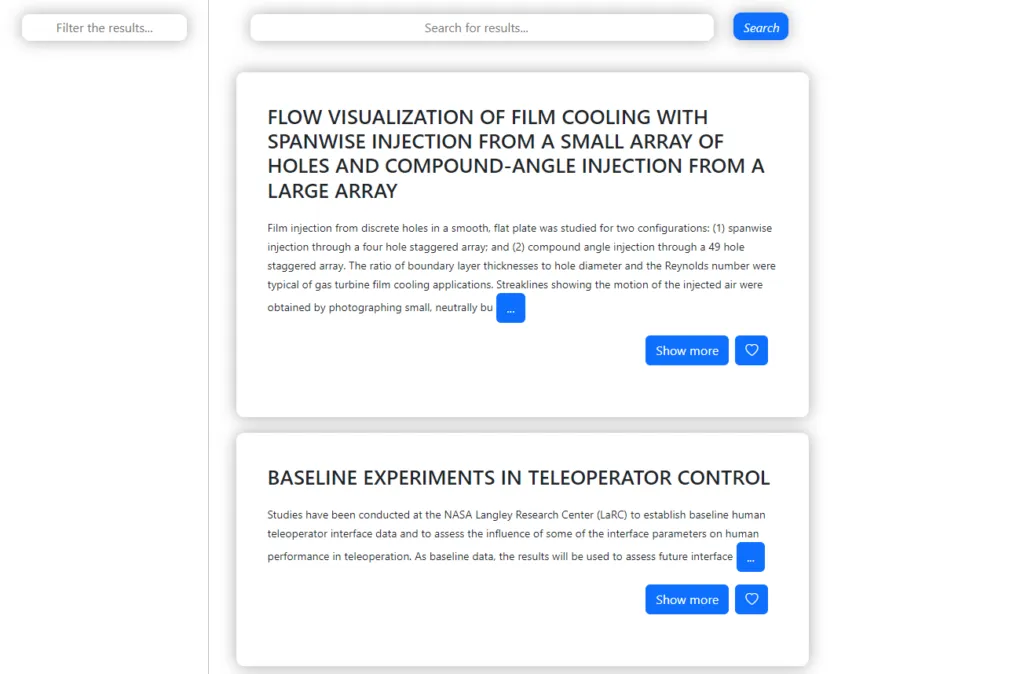
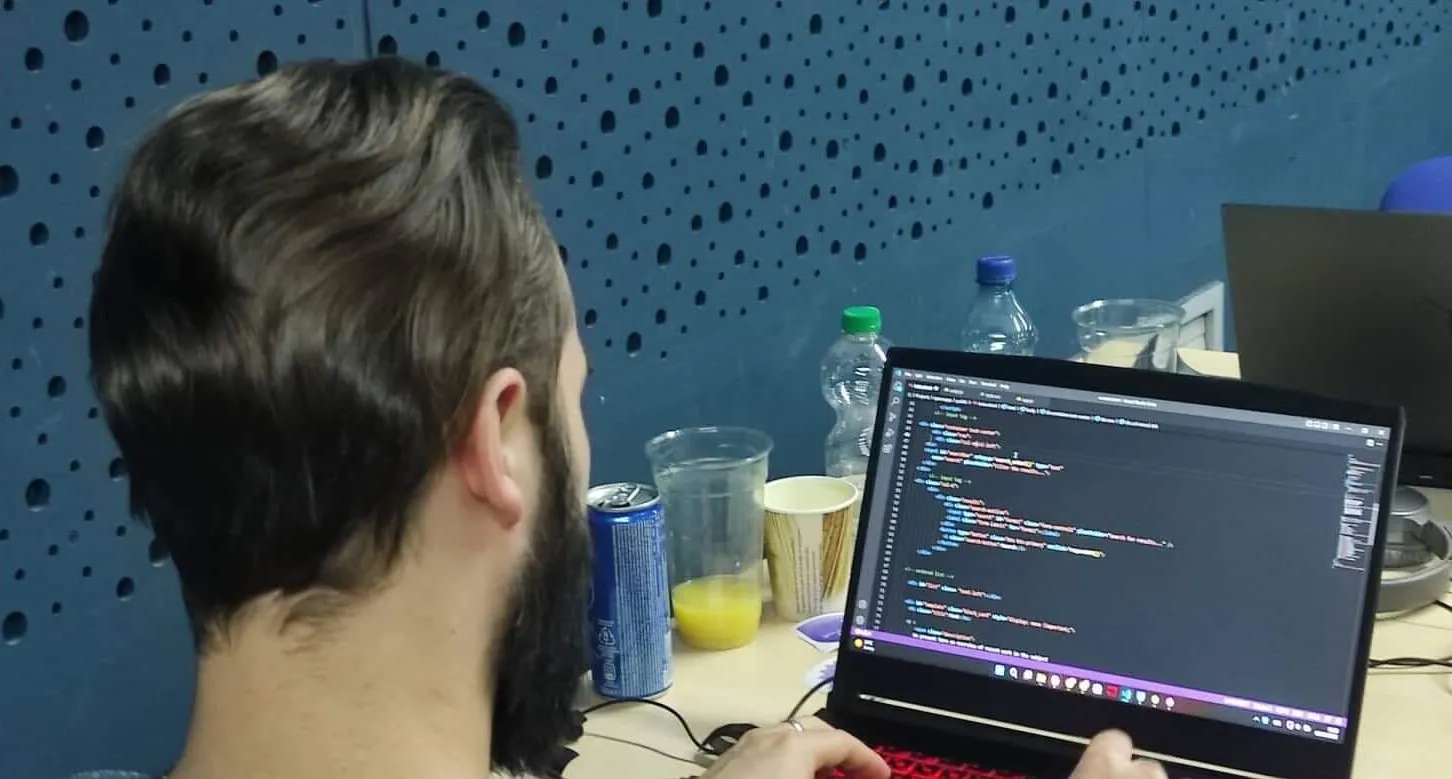
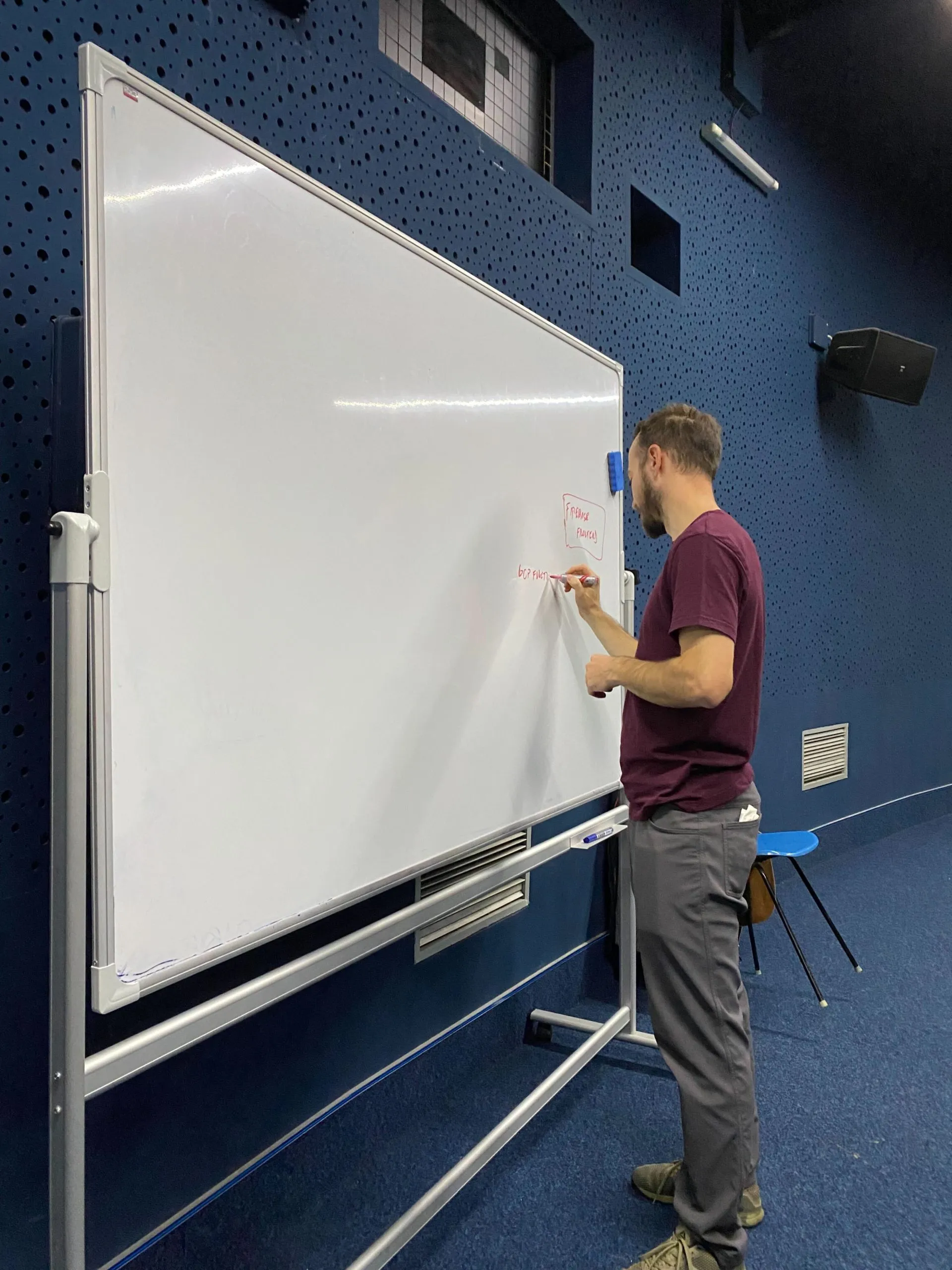
The articles that can be seen in the photo were downloaded by Michal into Keboola through an extractor, and an AI layer was connected to it, which created a machine-generated summary there. Tomáš and Marek built the Google Firebase website and could not do without GitHub either, where they shared the code. Marek managed to coordinate the project from end to end, as they say today, and Michal worked on the back end in Keboola in Python. The last member of our team, Melánia Bachan Firkaľová, worked on testing the models.
You can view the final version of the Archetix Data Squad App yourself here.
At the hackathon we deepened and refreshed our knowledge of Google Firebase, Keboola and of frontend design itself using HTML, CSS and the Bootstrap framework, which we do not deal with much in our regular work. It was also interesting to test several pre-trained models for processing English text and compare their results.
Marek Čech sums up the whole event as follows:
“I am very proud of the whole team, and most of all that from start to finish they kept working on the whole project with maximum commitment. What was also key for me was that we created a fully functional solution that you could click through and that had all the data flows set up.”
We would like to thank Vojta Tůma, who helped us with loading a large amount of text data into Keboola Storage. Also Honza Spratek and the organising team from Keboola and Planetum for providing us with a wonderful place, food and support throughout the event. Thanks to the hackathon we had the chance to create something from nothing on a topic that was interesting and related to space, and to test our skills at the same time.